

Canadian Maritime Community Comes Together in Ottawa to Advance Seafarer Welfare

The Canadian National Seafarers’ Welfare Board gathered in Ottawa on November 3, 2026, during the Canadian Marine Advisory Council (CMAC) meetings, bringing together representatives of maritime labour, industry, seafarer welfare organizations, and government to discuss current challenges and opportunities for improving the lives of seafarers.
The Canadian National Seafarers’ Welfare Board was established in November 2020 as part of Canada’s commitment to the Maritime Labour Convention, 2006 (MLC). Its purpose is to strengthen cooperation among maritime stakeholders, promote access to welfare services and shore-based facilities, and advise government on matters affecting seafarers. The Board includes six representatives from maritime labour organizations, six from seafarer welfare organizations, and six from industry, including ports and shipowners. Transport Canada also participates, providing essential secretariat support.
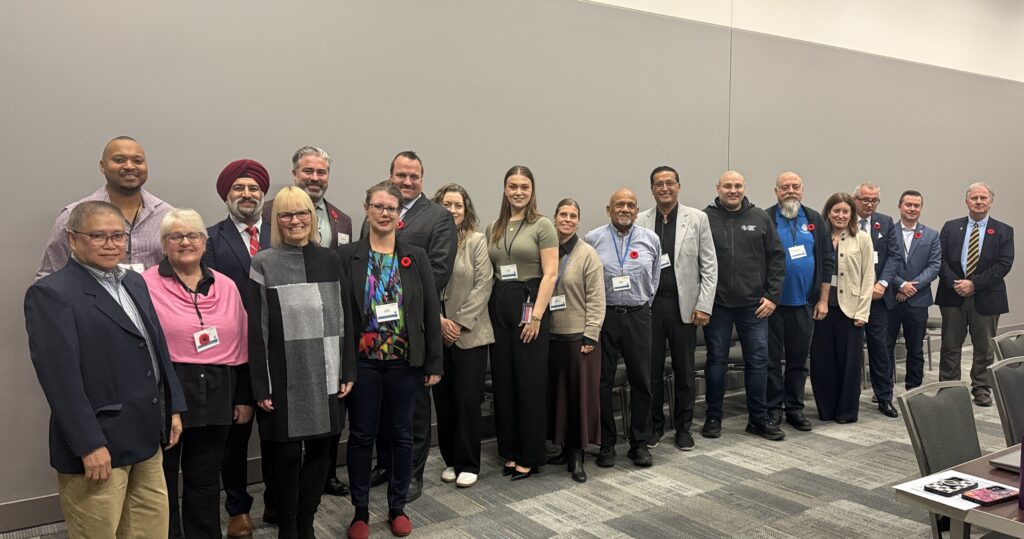

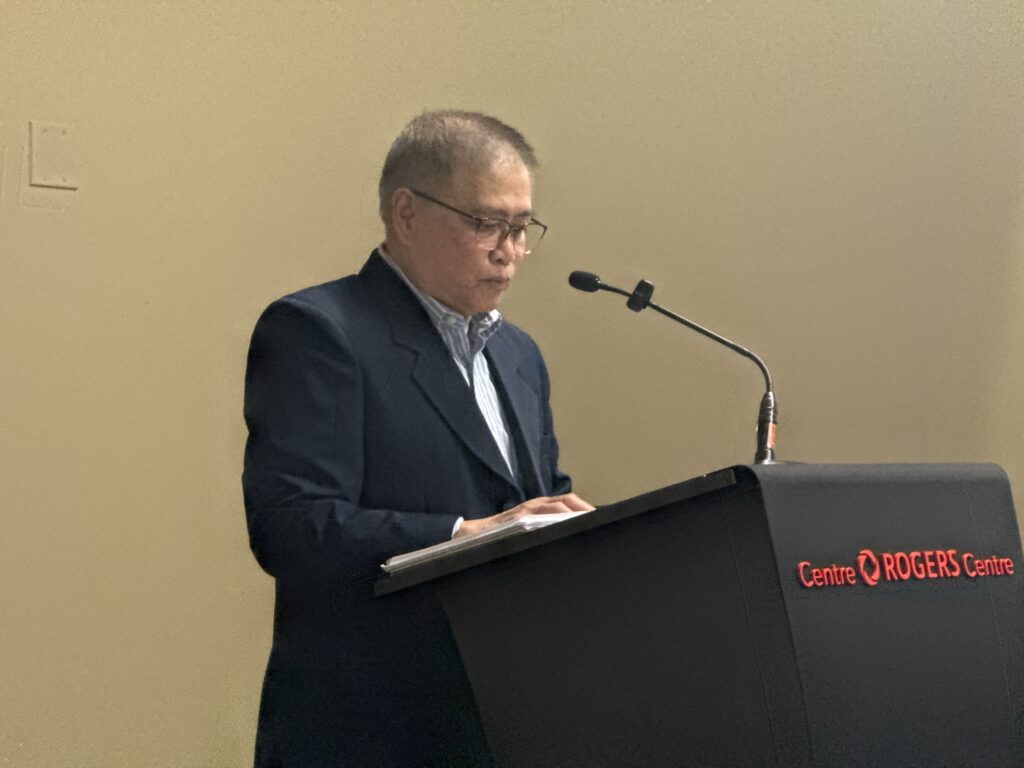
The Board meets four times annually, with three virtual meetings and one in-person meeting during CMAC in Ottawa. This structure provides an important opportunity for representatives from across the Canadian maritime community to exchange information, identify emerging challenges, and develop practical responses. The November meetings demonstrated the value of this cooperation, with participants contributing perspectives from their work aboard ships, in ports, in welfare centres, and within government.
The November 3 working group meeting included reports from the Board’s three working groups, which address visas, shipboard provisions, and recognition of outstanding contributions to seafarer welfare. Participants also discussed future priorities, including improving access to shore leave, facilitating crew changes, strengthening compliance with the MLC, and ensuring the long-term sustainability of seafarer welfare services.
Karen Kancens, Vice President of the Shipping Federation of Canada, and the new Chair of the Canadian National Seafarers’ Welfare Board, emphasized the importance of bringing different maritime perspectives together to address practical challenges. Reflecting on the Board’s discussions, she explained that its work focuses on “leveraging our collective expertise to document and identify new and emerging trends” and exchanging ideas about how issues can best be resolved. She noted that the participation of Transport Canada allows members to bring concerns directly to government, while the Board’s working groups provide opportunities to examine particular challenges in greater depth. This collaborative approach has become one of the Board’s defining strengths.
One important area of work concerns visas for foreign seafarers travelling to Canada for crew changes. The Visa Working Group has documented cases in which delays obtaining Canadian visas have prevented timely crew changes, leaving seafarers aboard ships longer than anticipated. In July 2026, the group submitted a proposal to the federal government advocating a more streamlined, seafarer-specific visa process. The proposal includes consideration of multiple-entry visas valid for several years, allowing shipping companies to arrange crew changes more efficiently while protecting seafarers’ well-being.
Another significant initiative is the Provisions Working Group. This group has examined concerns about the availability, quantity, and quality of food and drinking water aboard ships calling at Canadian ports. Discussions have highlighted the effects of food price inflation, constrained catering budgets, and differences in provisioning practices. Some ship visitors and ITF inspectors have reported cases of inadequate supplies, poor-quality provisions, and seafarers purchasing basic food items ashore.
The meetings also highlighted developments in the provision of shore-based welfare services. Participants heard from the Rev’d Judith Alltree about the opening of the new Mission to Seafarers welfare centre in St. John’s, Newfoundland and Labrador, on October 2, 2026. The centre represents the culmination of several years of cooperation among maritime stakeholders, including the local port welfare committee. Its establishment demonstrates how collaboration among industry, labour, community organizations, and welfare providers can lead to lasting improvements in services for visiting seafarers.
At the National Board meeting later on November 3, participants received a detailed presentation from Transport Canada on port state control inspections and the enforcement of MLC requirements. The discussion covered employment agreements, payment of wages, hours of work and rest, food and catering, and procedures for reporting complaints. Participants emphasized the importance of cooperation among inspectors, ITF representatives, welfare providers, and shipowners, particularly when seafarers are reluctant to raise concerns through onboard procedures.
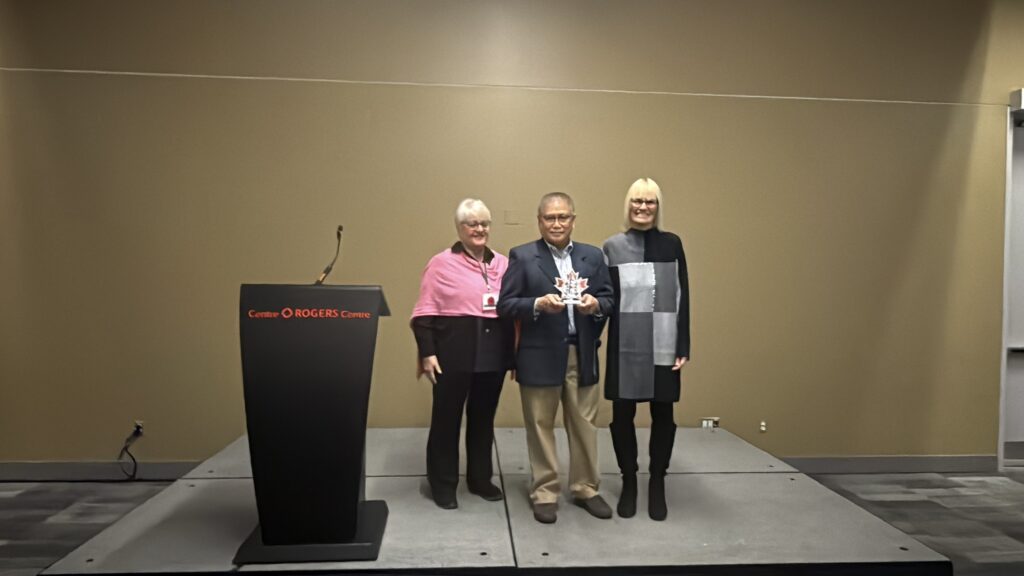
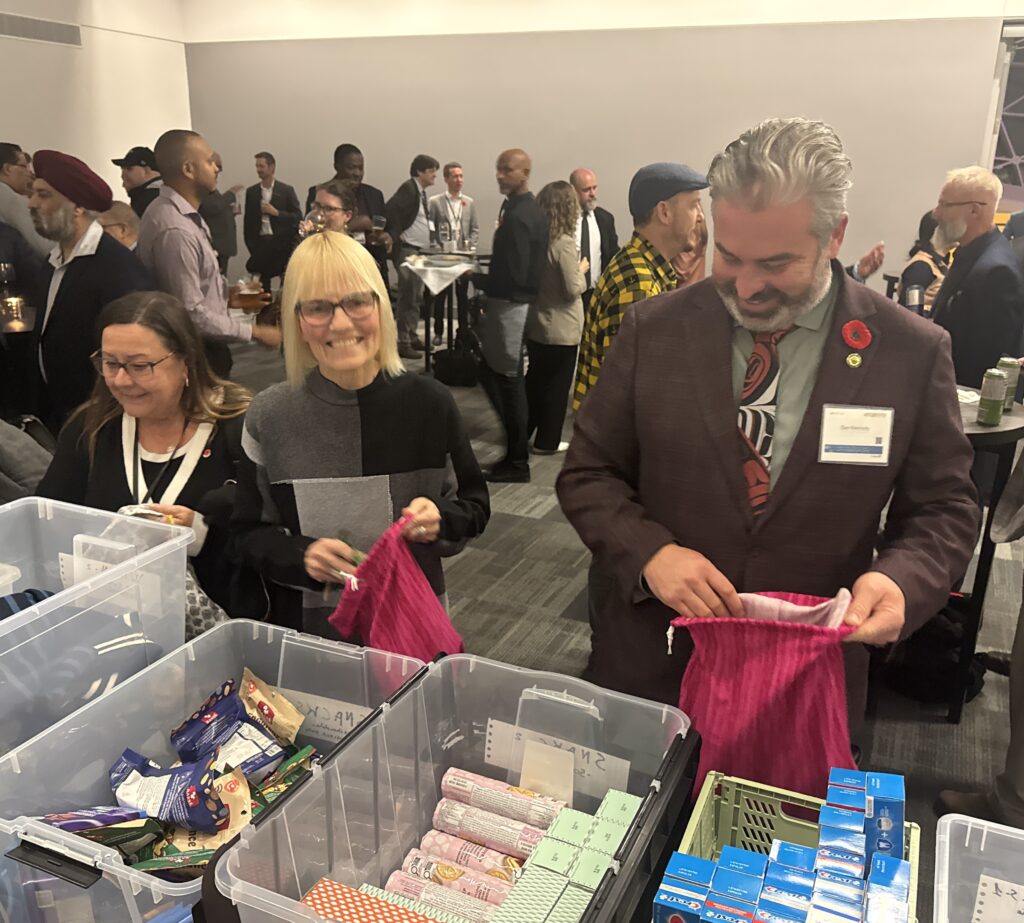
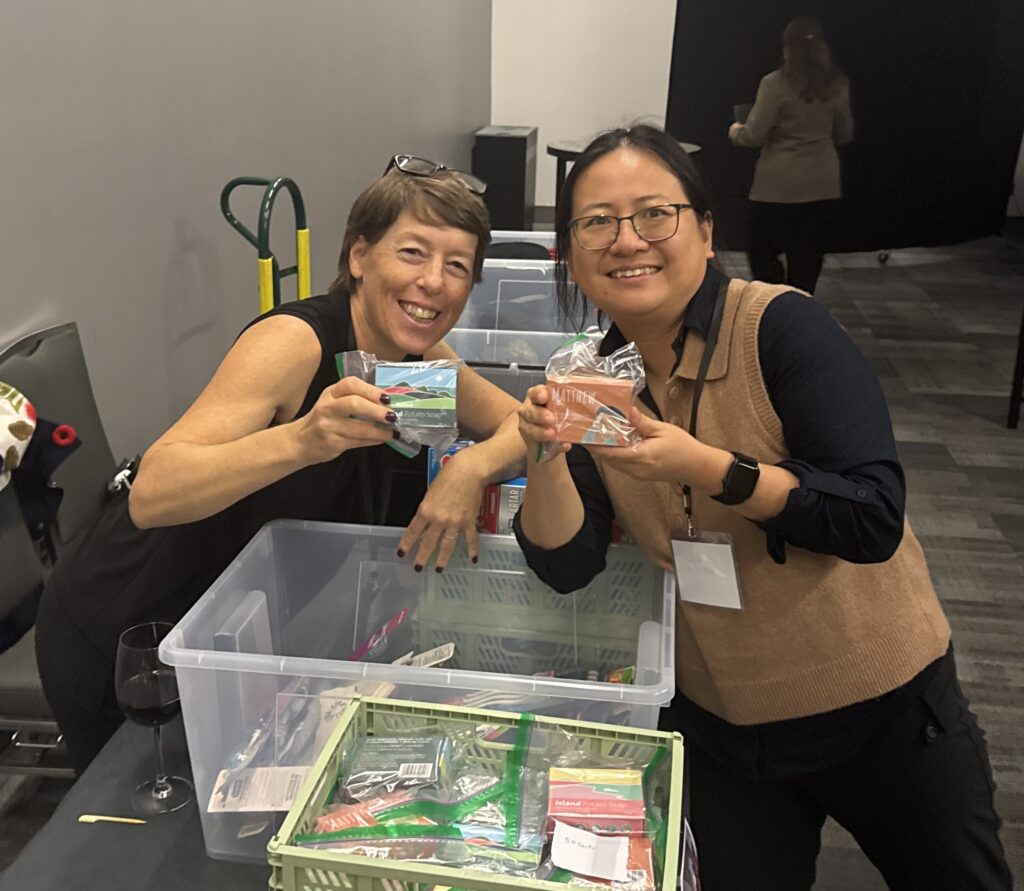
The day ended with a standing reception, including Christmas gift-wrapping activity led by Patricia Sarazen of the Montreal Ministry to Seafarers. During the reception, a particularly meaningful moment was the presentation of the Humble Servant Award to Joseph Loot of the Mission to Seafarers Halifax. Established in memory of Elisabeth Bertrand, who devoted much of her career to advancing seafarer welfare through Transport Canada, the award recognizes individuals whose dedicated service often takes place without public recognition.
Accepting the award, Joseph Loot reflected on his personal journey into seafarer welfare, which began with the death of his 25-year-old cousin, a seafarer from the Philippines, shortly after completing a contract aboard a chemical tanker. He explained that his involvement with the Mission to Seafarers Halifax began twelve years ago through academic research but gradually became a personal calling. “I came to recognize them as essential, yet invisible workers in the global shipping industry,” he said. “I realized that seafarers deserve not only our gratitude, but our respect, protection, and care.” Expressing appreciation for his family, colleagues, volunteers, and supporters, Loot emphasized that “this award is not mine alone.” He described the philosophy that guides his ministry as seeking “to be a quiet flame in a loud world,” serving faithfully and humbly without seeking recognition. For Loot, the award was not simply an honour but an encouragement to continue serving those who spend their lives at sea.
On November 4, Jason Zuidema, Executive Director of the North American Maritime Ministry Association (NAMMA) and a co-vice-chair of the National Board, presented an overview of this work to CMAC’s Marine Personnel Standing Committee. His report emphasized that seafarer welfare is a shared responsibility and that the Board provides a valuable forum for developing constructive relationships across the maritime community.
Looking ahead to 2027, the Board is considering additional initiatives, including a possible voluntary framework of welfare commitments for Canadian ports and maritime stakeholders. Another priority is examining the funding arrangements that support seafarer welfare centres across Canada and identifying opportunities for greater long-term sustainability. The meetings also provided an opportunity to recognize the contribution of Debbie Murray, who helped establish and lead the Board during its first six years, and to thank Karen Kancens, newly elected chair, and the Transport Canada team for their continued support.