

A Calling, Not Just a Job: Seafarers’ Welfare in Corpus Christi
by Jason Zuidema (NAMMA)
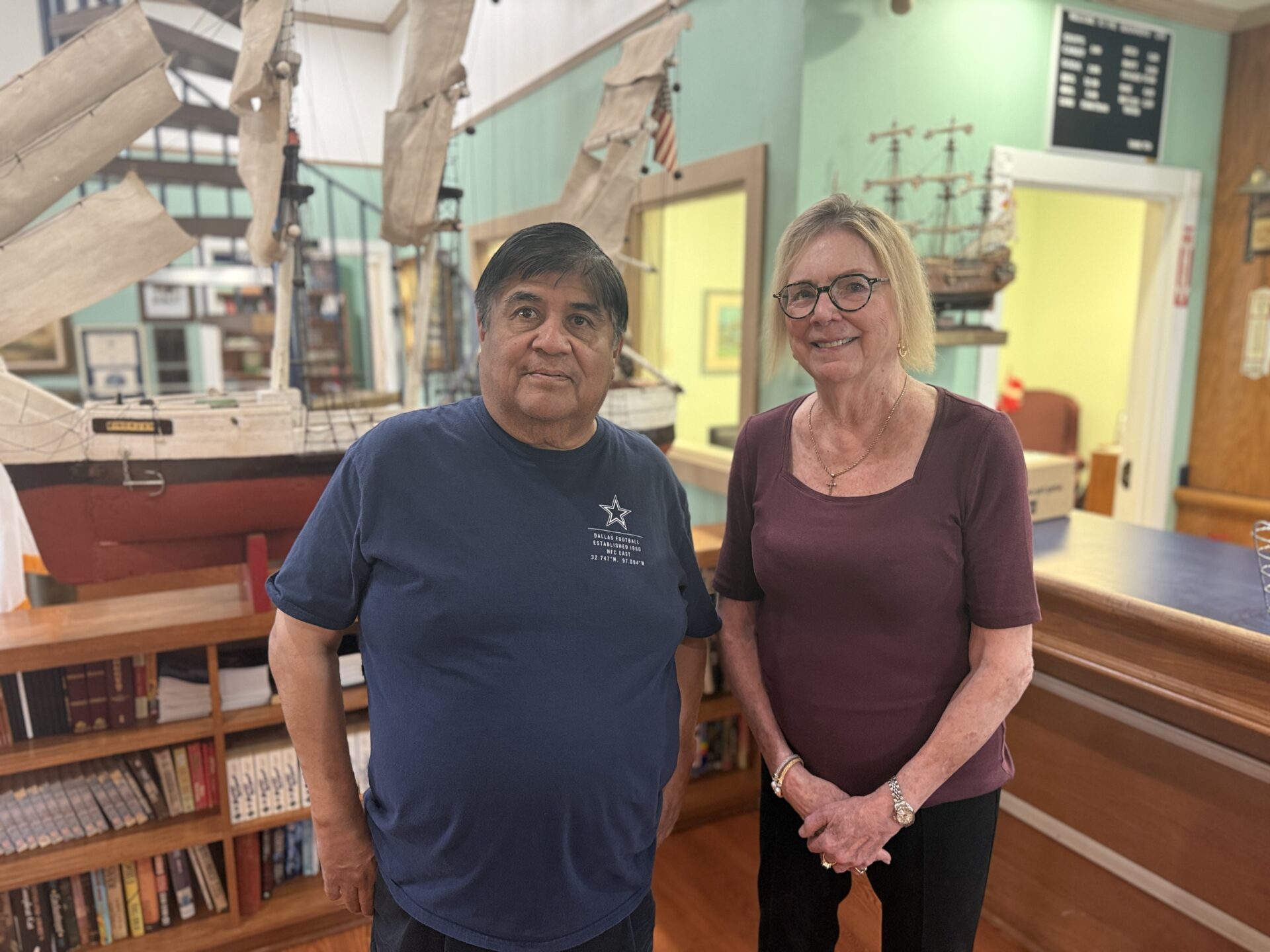
It was a beautiful day in Corpus Christi when I stopped in to visit the Corpus Christi International Seafarers Center. The sun was bright over the bay, and the breeze carried that unmistakable sense of a working waterfront. I was only passing through, but I was received with warmth and generosity by Sharon Emerson and her staff. What followed was a friendly, unhurried conversation about history, hospitality, and the deeper meaning of seafarers’ welfare in this port city.
Sharon speaks about the center with clarity and conviction shaped by years of service. “It is a hospitality home away from home for all the foreign and domestic seafarers whose ships call on our port,” she explained, comparing it to “a USO, which is all over the world for American military. Seamen centers are all over the world for Merchant Seafarers.” The comparison is helpful. Just as military personnel find familiar welcome far from home, merchant crews arriving in Corpus Christi find a place where they are known and received.
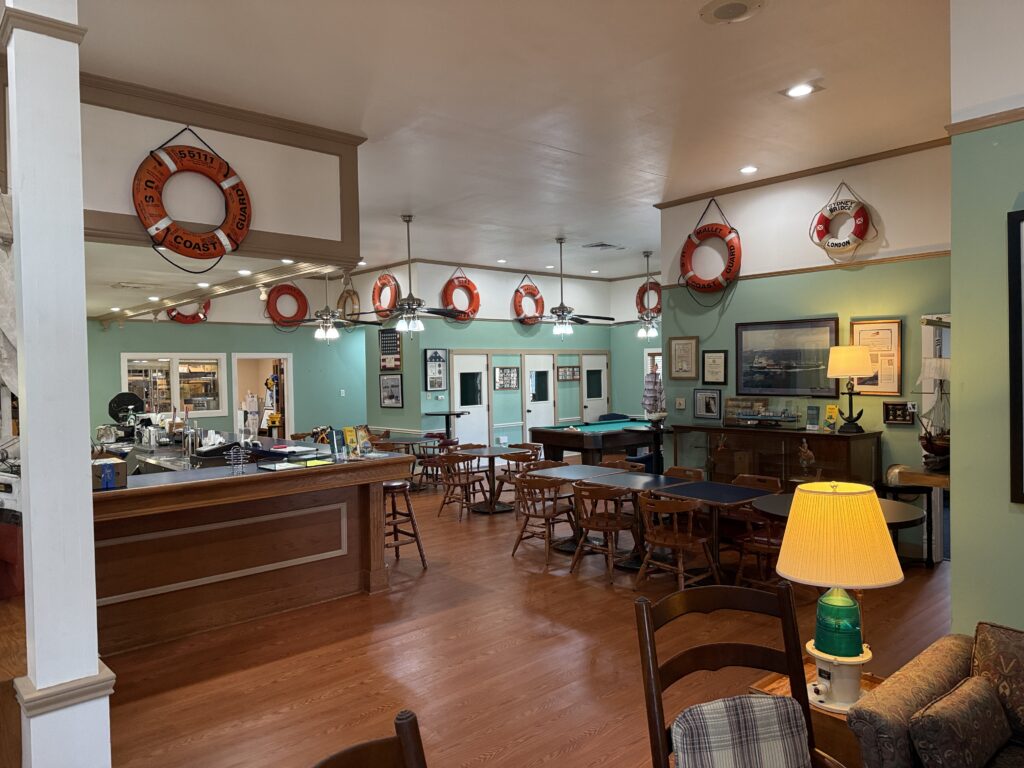
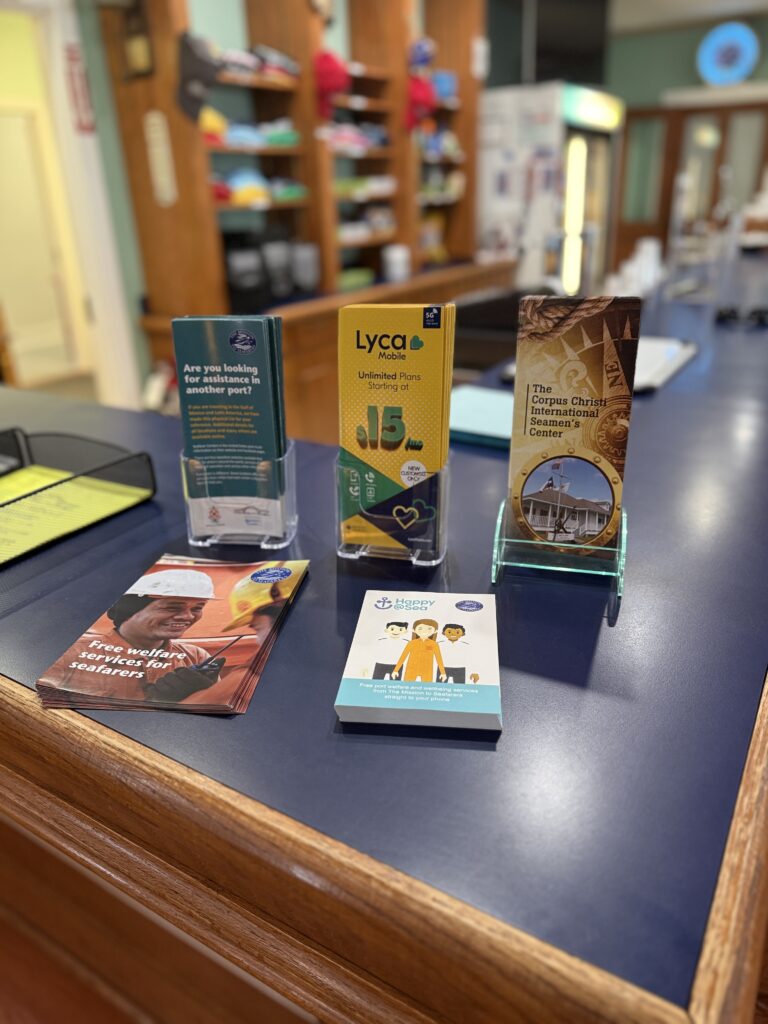
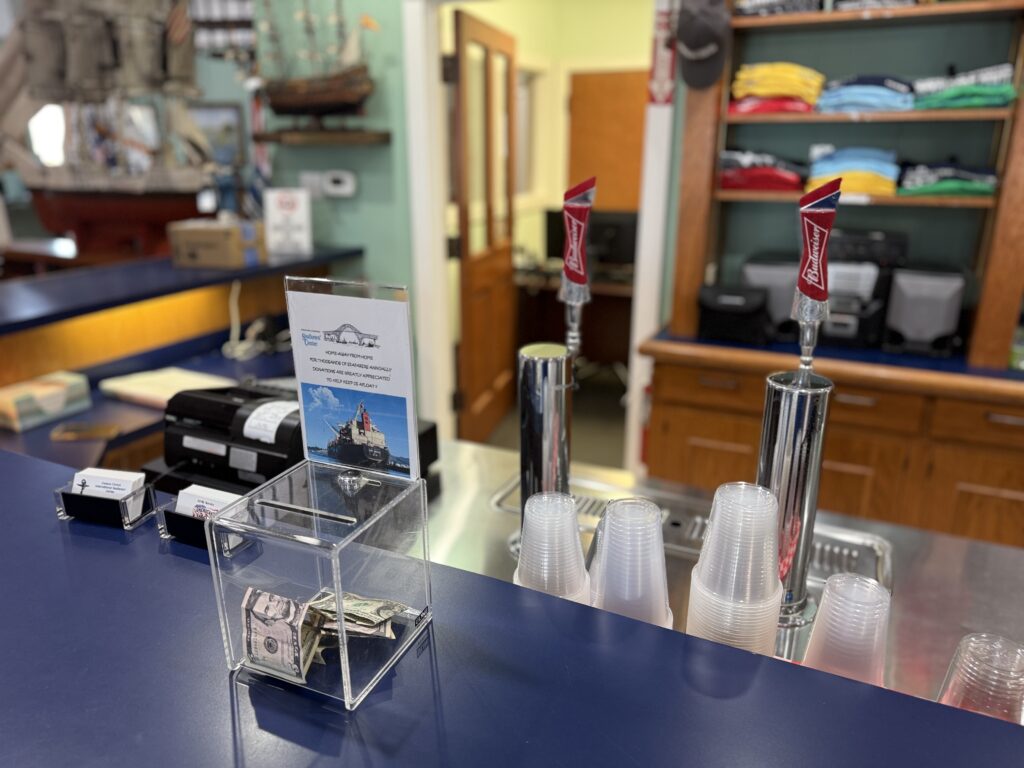
That phrase, “home away from home,” captures the heart of the ministry. In a typical week, she explained, “we provide transportation for them. We take them to the mall shopping or places of worship, if that’s what they would like. Or they come here and they drink beer with their buddies and chat and watch TV and order Hawaiian pizza.” It is simple, practical hospitality. It is also profoundly human. After months at sea, even an ordinary evening of pizza and conversation can feel extraordinary.
The center is also a place where global tensions soften in the face of shared experience. Sharon told me, “We had Russians and Ukrainians in here at the same time, at the same table, and they were sympathetic with each other because they had their families to watch out for.” Most of their families, she said, “were moved into Poland for safety.” Around that table, nationality did not disappear, but something deeper took precedence. They were seafarers, far from home, concerned for loved ones.
Advocacy is as important as hospitality. “If there’s a problem,” Sharon said, “if I can’t get the Coast Guard to fix it, then I’ll call our ITF inspector in Houston, and he’ll fix it, which we just recently did.” The center is not merely a lounge or community hall. It is a place where someone will make a phone call, ask hard questions, and ensure that issues are addressed.
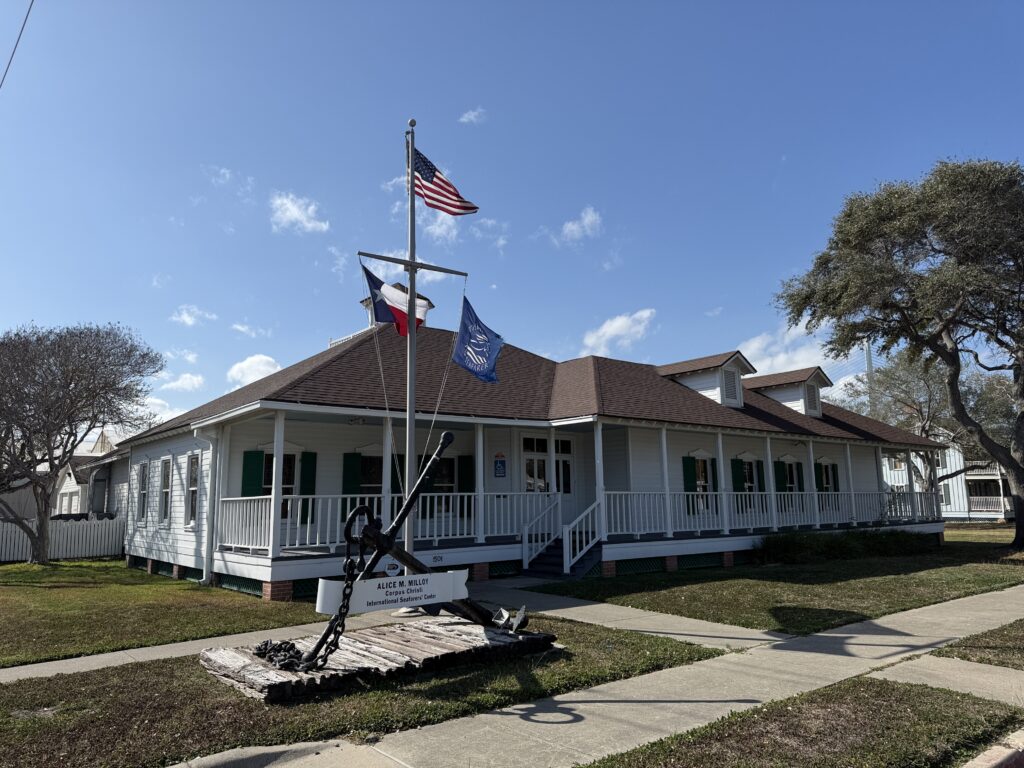
The history of the center reveals why that advocacy matters. It was founded in 1974 after “the bishop called Alice Malloy, who became the founder of the Seaman center, and said, ‘Alice, you have to do something. These seafarers are getting off their ships, walking downtown and being mugged and robbed of their money.’” Alice went to work. The city donated a building on Water Street. Later, when they were asked to move, she secured support from the Kenedy Foundation to build the current facility. “We’re in a spot called Heritage Park,” Sharon explained, “and so we had to build to the Heritage Park code, which makes it look like an old building, but it’s not.” The building may echo the past in its design, but its mission remains timely.
One of the distinctive features of the Corpus Christi center is its broad embrace of the maritime community. While the heart of its services is directed toward foreign-flag crews, the doors are open much wider. “For the American mariners, we provide the same transportation and anything advocacy that they like.” The Coast Guard uses the facility “for their advancements and for their retirement parties, all at no charge.” Maritime groups gather there regularly. It is not only a seafarers center but a meeting place for the port community itself.
The connection to the wider port is evident in its fundraising events. St. Patrick’s Day celebrations, barbecues, and an annual lobster feast bring hundreds through the doors. “Last year the port bought 600 tickets,” Sharon noted, explaining that they distribute them to customers and employees. These events do more than raise funds. They build awareness and deepen relationships between the port and the people who serve those who pass through it.
When I asked Sharon what advice she would offer to someone new in maritime ministry, her answer went straight to the core. “This is not much of a job to me. It’s more of a calling.” That sense of vocation shapes her approach. “You have to be one with the seafarers and listen to them and be sympathetic, and get them to talk.” She begins by asking about their position on board and then about their families. “You just have to make them feel at ease and not bring up anything controversial.” Over time, trust grows. She has received letters and emails of thanks, she told me, “with hearts all over them.”
Her reflections on social isolation were particularly striking. Many assume that connectivity solves loneliness. “Well, no, that’s not like being there when your daughter graduates from high school, or your son gets married, or one of your parents dies. It’s not the same.” That absence, she said, “is the cause for a lot of distress.” Chaplains go aboard ships to listen and support, but the center itself offers a tangible sign that someone ashore cares.
Sharon’s own journey into this work was shaped by years as “a paralegal and a marine investigator.” Responding to emergencies such as oil spills or man overboard cases, she saw firsthand how crews lived and how they were treated. “I’ve seen how these seafarers live. I’ve seen how they’re treated, some fair, some not so fair.” At the time, she said, “I never could say anything about it while I was in the position I was in. But now I can and do.” That experience gives weight to her advocacy today.