

Lunch and Launch: A Strategic Vision for Seafarers’ Ministry of the Golden Gate
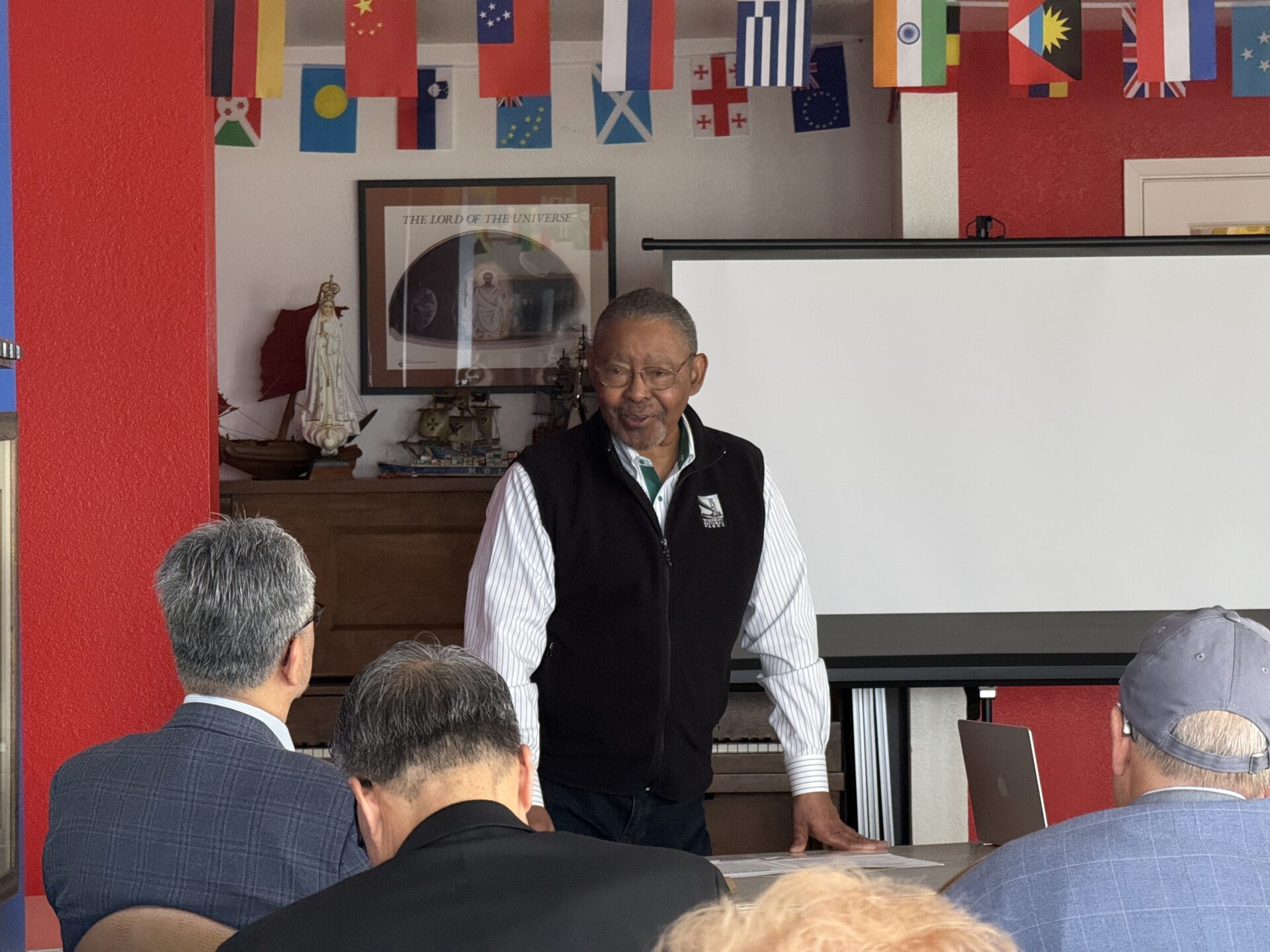
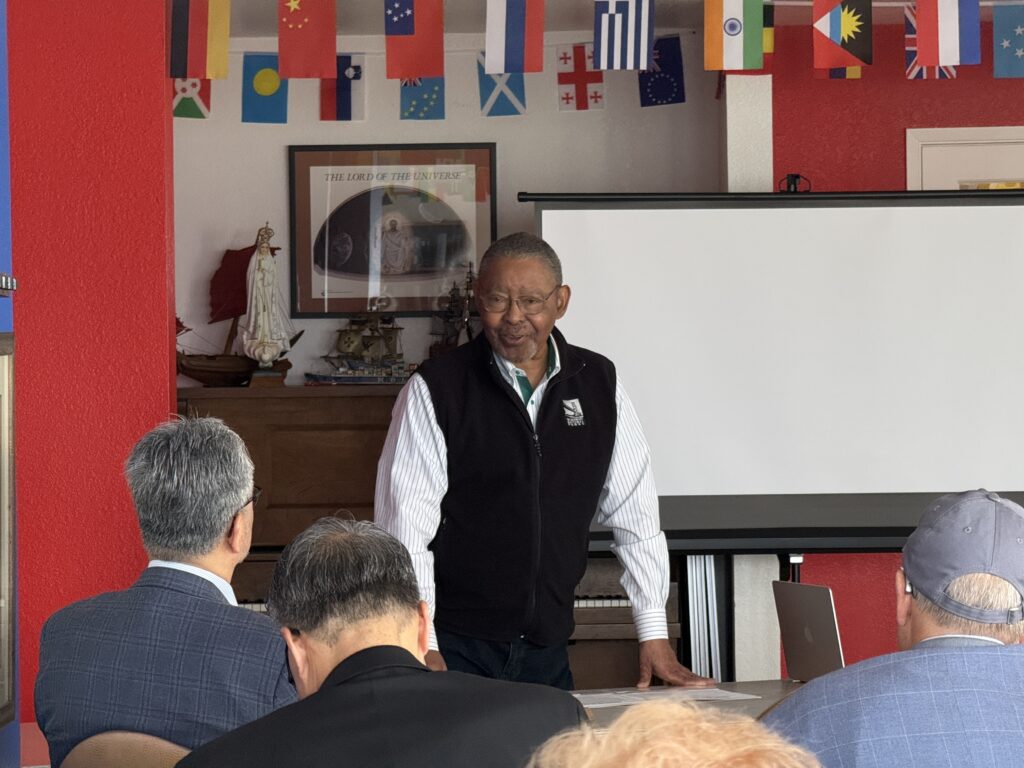
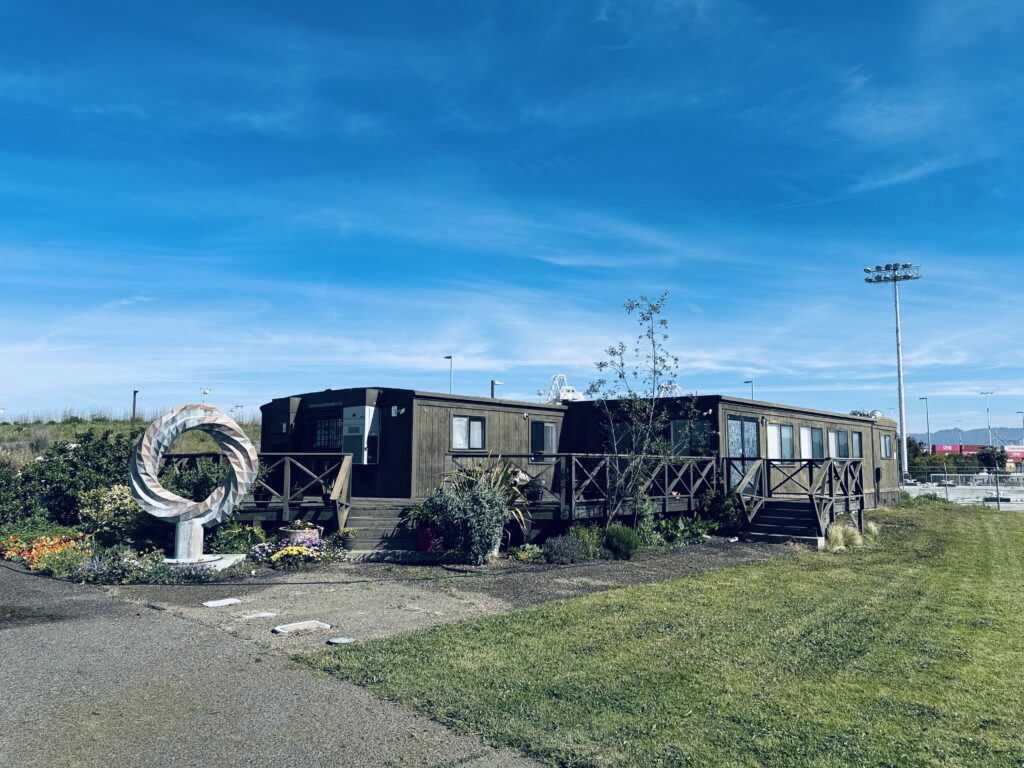
At the International Maritime Center in the Port of Oakland, California, a small gathering of maritime leaders, community members, and partners met for a “Lunch and Launch” event hosted by Seafarers’ Ministry of the Golden Gate at the IMC (SMGG at the IMC). The event marked an important moment for the organization as it enters its eightieth year and prepares to expand its work in new directions while remaining grounded in its historic mission of care for seafarers. About fifteen participants gathered at the seafarers’ center, creating a setting that allowed for both formal presentation and candid discussion about the future of maritime ministry in the Bay Area.

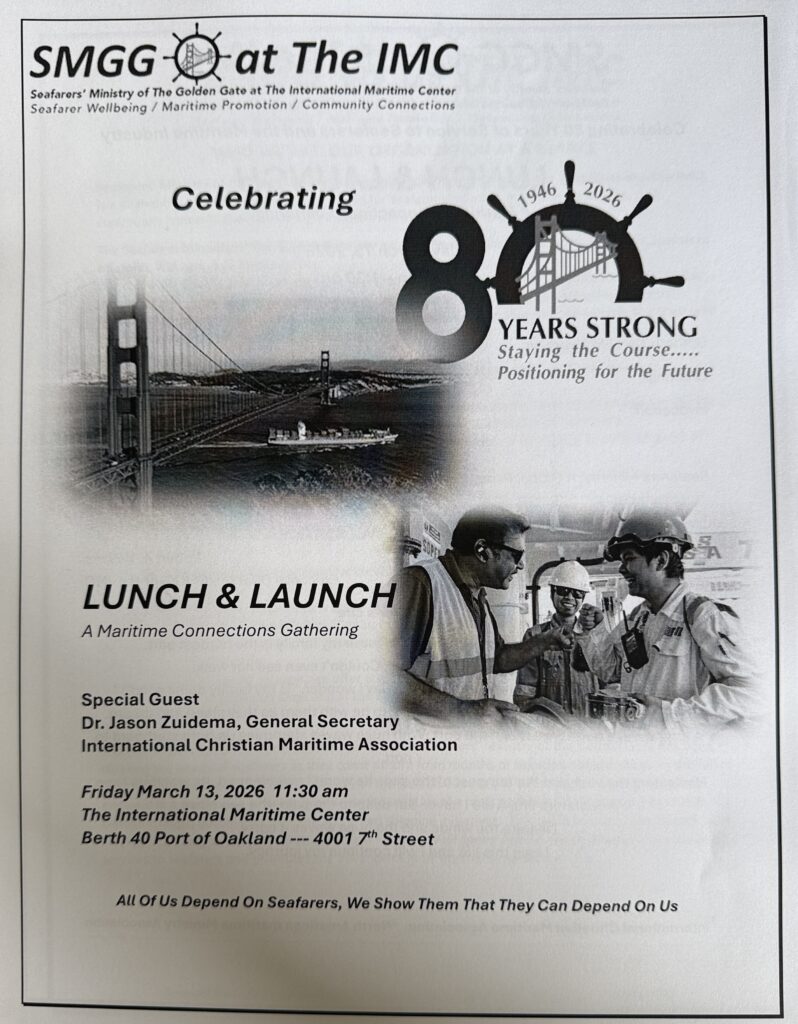
The conversation began with remarks from ICMA General Secretary Jason Zuidema, who provided a brief overview of the global realities of the shipping industry. His presentation situated the ministry’s work within the broader context of world trade, war and uncertainty, and the continuing importance of seafarers in sustaining the global economy. Shipping remains the backbone of global commerce, and the welfare of seafarers remains a central concern for those involved in maritime ministry. Zuidema highlighted how ports such as Oakland form part of a global network that depends on the dedication of seafarers who spend long months away from home in order to move goods across the oceans.
Following this introduction, Rev. Robert Wilkins, who leads the work of SMGG at the IMC, outlined the organization’s current strategic direction. Drawing on his background in nonprofit leadership and ministry, Wilkins reflected on the circumstances that led him to the role and on the challenges facing maritime welfare organizations in the years following the COVID-19 pandemic. During the pandemic, ship traffic slowed, shore leave largely disappeared, and the normal rhythms of port ministry were disrupted. As Wilkins explained, this moment of disruption also provided an opportunity to rethink the future direction of the ministry and to consider how its work might connect more deeply with the wider maritime community.
In response, the organization undertook what Wilkins described not as a traditional strategic plan but as a “strategic directions process.” The outcome was a framework built around three central pillars that now guide the ministry’s work. The first pillar remains the core of maritime ministry: the wellbeing of seafarers. Ship visiting continues to stand at the heart of the organization’s activities. Volunteers are trained and sent aboard vessels to offer a ministry of hospitality and presence, greeting crews, listening to their stories, and offering practical support. As Wilkins explained to those gathered, “we actively recruit people from the community… and they go on board ships to practice primarily the ministry of hospitality and presence.”
This ministry is intentionally simple and relational. Visitors meet seafarers where they are, listening more than speaking, and offering gestures of welcome that remind crews that their work is seen and valued. Sometimes visits are brief, sometimes longer, but the emphasis remains on presence. “We are there first of all to say, welcome to the Bay Area. Thank you for what you are doing. How can we be of help to you?” Wilkins explained. In a world where seafarers often remain invisible to the communities they serve, such encounters can carry deep significance.
While ship visiting remains foundational, the strategic vision presented during the Lunch and Launch event also expands the ministry’s horizon. The second pillar focuses on maritime promotion, particularly among younger generations. Research undertaken by the organization revealed that many young people simply do not know about maritime careers or the opportunities they offer. This gap has led SMGG at the IMC to focus on internships and training initiatives designed to introduce students and young professionals to the maritime sector. These programs aim not only to promote careers but also to cultivate a generation of leaders who understand the global importance of the maritime world.
The final pillar centers on strengthening connections between the maritime sector and the surrounding community. Oakland’s port is one of the most significant in North America, yet many local residents remain unaware of how deeply maritime activity shapes the region’s economy and daily life. The ministry seeks to bridge this gap by fostering dialogue, hosting events, and building partnerships across the Bay Area. Wilkins summarized this broader vision with a phrase he has begun using to describe the ministry’s role: “we connect community to care about Seafarer well being and the spirit of the maritime industry.”
In conversation after the formal presentation, Zuidema returned to one of the themes that had emerged repeatedly during the afternoon: the importance of being seen. Ship visiting offers seafarers a moment of recognition, a reminder that the work they do matters and that someone ashore is paying attention. Yet the same principle can apply to the wider maritime world as well. The ministry’s evolving strategy seeks to ensure that seafarers, maritime careers, and the port itself are more visible within the broader community.
The Lunch and Launch event therefore marked not only a celebration of eighty years of maritime ministry in the Bay Area but also the beginning of a renewed effort to integrate that ministry more deeply into the life of the region. Anchored firmly in ship visiting and pastoral presence, SMGG at the IMC is also positioning itself as a bridge between seafarers, the maritime industry, and the community that surrounds the Port of Oakland. By strengthening these connections, the ministry hopes to ensure that care for seafarers continues to flourish while also serving the wider maritime community for many years to come.