

A Visit to the International Mariners Center in the Port of Hueneme, California
by Jason Zuidema (NAMMA)
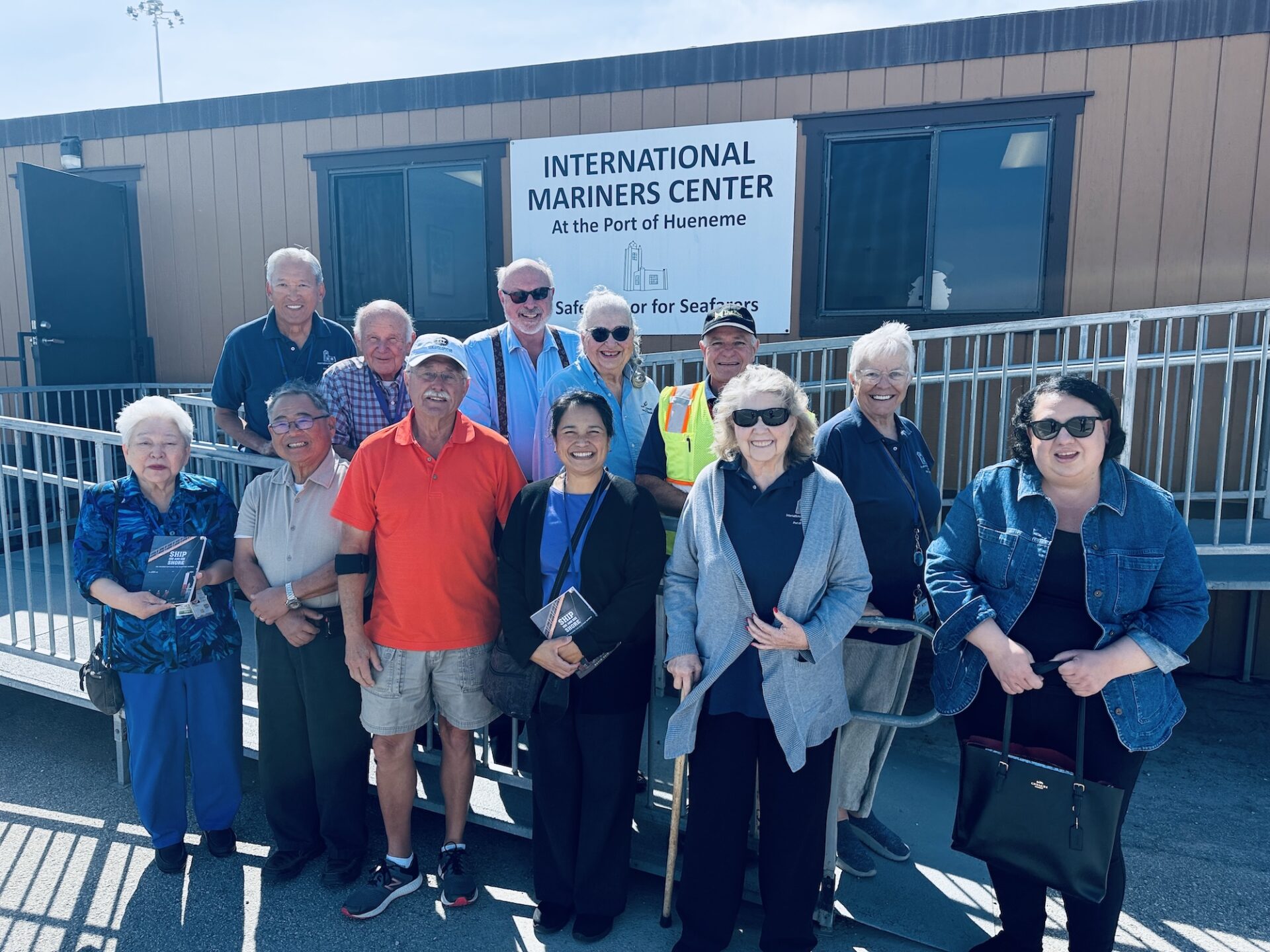
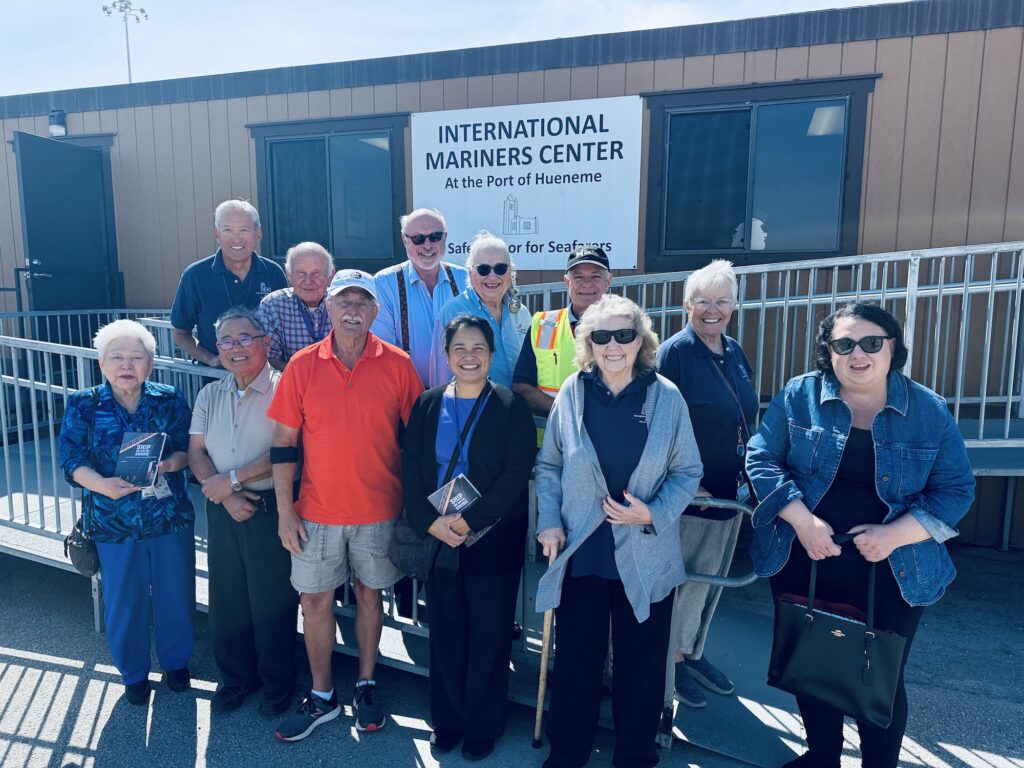
The International Mariners Center in the Port of Hueneme, California, recently welcomed the North American Maritime Ministry Association (NAMMA) for a visit and conversation with the volunteers who sustain the ministry there. Hosted by board president Chuck Culkins, the gathering brought together about a dozen volunteers and supporters who serve seafarers calling at the port. The meeting offered a meaningful opportunity to reflect on the realities of maritime ministry and to discuss the broader trends affecting seafarers today.
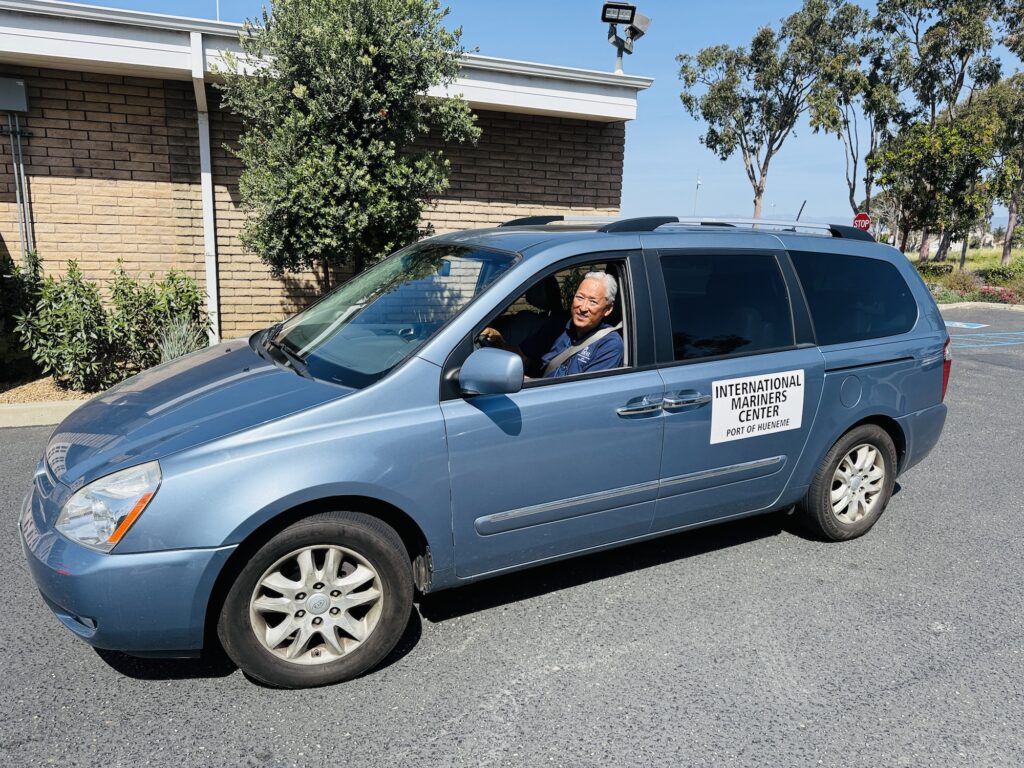
Chuck Culkins opened the session by describing the ministry and the relationships that make it possible. Above all, he emphasized the central role played by volunteers. “The number one thing is our volunteers,” he said, explaining that the work of the center depends on individuals who freely give their time to serve visiting crews. He also spoke about the strong partnership with the port authority, which has proven to be an important ally to the ministry. “The port here is our number one cheerleader and supporter,” he noted, describing how the port has assisted the center in practical ways, from helping with facilities to providing internet access for seafarers and supporting plans for a future replacement of the ministry’s van.
Culkins also spoke candidly about the joys and challenges of operating a ministry that relies so heavily on volunteer availability. Seafarers sometimes request transportation ashore on short notice, but volunteers cannot always be mobilized instantly. “Everybody that’s here who volunteers also is active in volunteering for other organizations,” he explained. “It’s not like I can magically make somebody appear.” Even so, the center does its best to respond to requests whenever possible, especially for ships that regularly call at the port.
Following Culkins’ introduction, NAMMA’s Jason Zuidema spoke about several trends in the maritime world. His remarks focused particularly on the changing realities surrounding shore leave, volunteer recruitment, and the broader global context in which seafarers work. In many ports around the world, obtaining shore leave has become increasingly complicated due to security regulations, visa requirements, and operational pressures. These developments make the presence of local seafarers’ welfare ministries even more important, as they often provide the only realistic way for crews to leave the ship and reach local services.
The discussion that followed was lively and filled with practical insights from volunteers who regularly drive seafarers to nearby shops and services. Many described how simple conversations during these drives can open a window into the lives of seafarers. Volunteers often begin with basic questions about family or home, and these conversations quickly reveal the human dimension behind global shipping. On ships that call regularly, the same seafarers return again and again, creating relationships that grow over time. As Culkins observed, the atmosphere can become surprisingly family-like when volunteers and crews recognize one another from previous visits.
After the meeting concluded, volunteer coordinator Lester Tong gave a tour of the port, driving through the terminals and explaining how the ministry operates within the broader environment of the harbor. At the time of the visit, a Maersk SeaLand container vessel was unloading refrigerated cargo – mostly bananas and other tropical fruit. The port’s large open areas were also filled with newly arrived vehicles from car carriers. Lester pointed out the berths where these ships dock and the ramps used to unload thousands of vehicles. The scale of the operation was striking: rows upon rows of new cars stretching across the port’s storage areas, a vivid reminder of the vast networks of global trade that pass through even a relatively specialized port like Port Hueneme.
The tour also highlighted the close relationship between the ministry and the port community. Lester described how port workers have occasionally stepped in to help with practical problems, such as repairing the tire of the ministry’s van or assisting with logistical needs. These acts of cooperation illustrate the supportive environment in which the ministry operates and the goodwill that exists between the seafarers’ center and the wider port community.
Several key impressions emerged from the visit. The first was the remarkable dedication of the volunteer team. With limited financial resources, the ministry accomplishes a great deal because of the time and commitment of individuals who believe deeply in serving seafarers. The second was the importance of partnership with the port itself. The willingness of the port authority and local port services to assist with practical challenges makes it possible for the ministry to operate effectively. Finally, the visit underscored that maritime ministry requires constant attention and coordination. Volunteers must be recruited and encouraged, vehicles maintained, communication with ships sustained, and relationships nurtured.
At its heart, the work in Port Hueneme reflects a simple but powerful idea: that seafarers, who spend much of their lives moving cargo across oceans, deserve hospitality and human connection when they arrive in port. The International Mariners Center demonstrates how a small but committed group of volunteers can provide that welcome. Through conversation, transportation, and practical support, they help ensure that the people behind global shipping are not forgotten.