

‘You See Us’: Mission to Seafarers Canada Gathers in St. John’s
by NAMMA
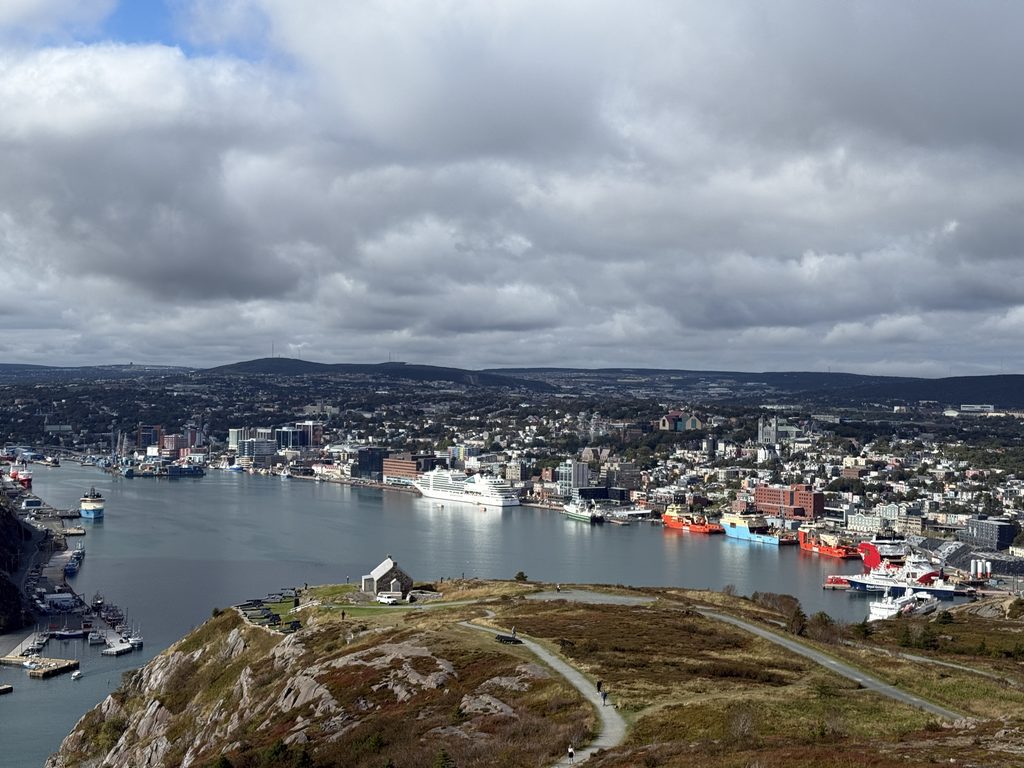
St. John’s, Newfoundland and Labrador, could hardly have offered a more appropriate setting for a gathering devoted to seafarers and those who serve them. With one of North America’s most striking natural harbours immediately outside the accommodation, participants in the Mission to Seafarers Canada Regional Conference could watch the maritime world at work each day before discussing how best to support the people who make that world possible.
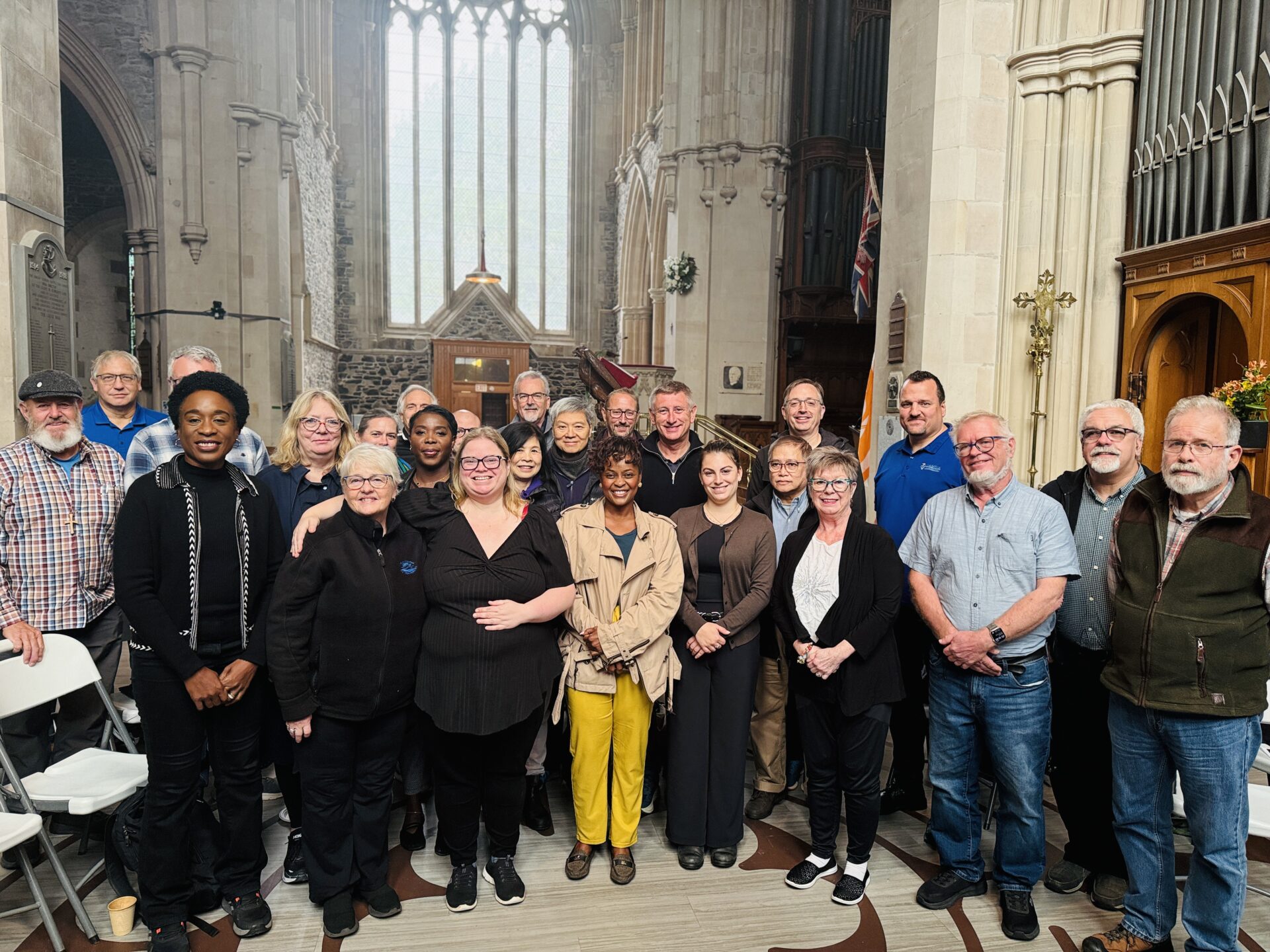
Held under the theme “Anchored in Care,” the gathering brought together Mission to Seafarers representatives from stations across Canada, international Mission leadership, and partners from the wider maritime community. The conference combined training, an extensive Industry Day, the official opening of the Mission to Seafarers centre in St. John’s, and conversations about the future of the Mission in Canada and globally.
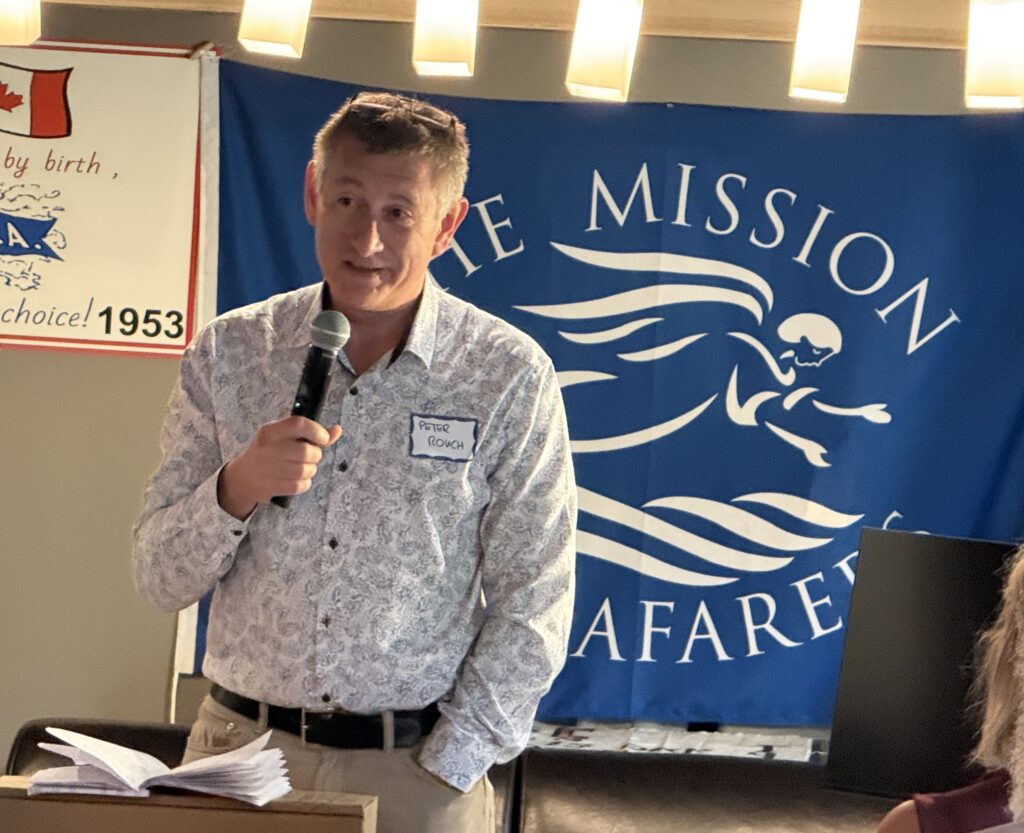
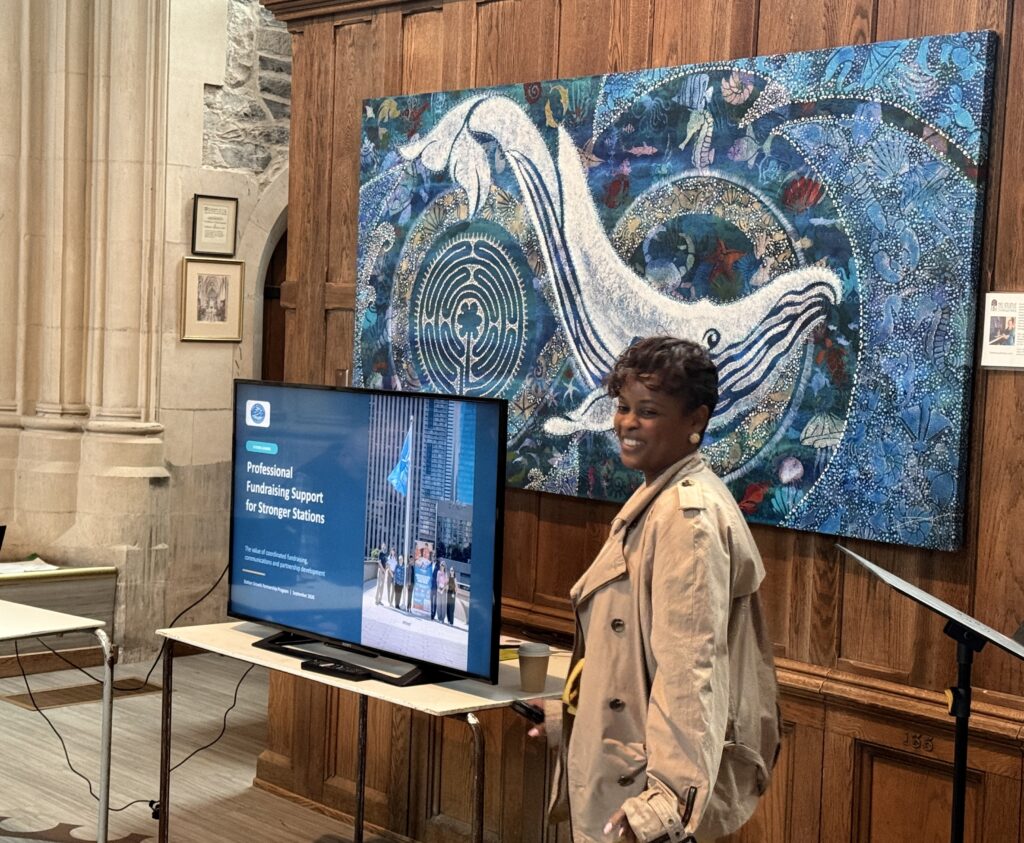
Regional Director the Rev. Eric Phinney described the purpose simply: the annual gathering was a chance for Mission colleagues to undertake training, enjoy fellowship, find ways to support one another, and connect with industry. St. John’s added a special dimension. Welcoming participants to the Industry Day, Phinney observed that it would be difficult to find anyone in Newfoundland and Labrador who was not “in some way connected with the sea.”
The conference was supported by the Rev. Joshua Messick and planned with Phinney, local Station Manager Morgane Sheppard, and others from across the Mission network. It also provided an opportunity for Canadian station representatives to spend significant time with international Mission leadership, including the Ven. Dr. Peter Rouch, Secretary General of The Mission to Seafarers.
The first full day concentrated on equipping those who work directly with seafarers. Participants spent the morning on Critical Incident Stress Management, providing additional tools for supporting people through difficult and sometimes traumatic circumstances. The afternoon turned to “Excellence in Ship Visiting,” considering one of the oldest but still most important parts of seafarers’ welfare: going aboard ships, meeting crews where they are, listening carefully, and building relationships of trust.
The importance of good ship visiting surfaced repeatedly during the conference. One station representative shared the story of a young seafarer who watched her work aboard his ship and finally explained why her presence mattered: “You see us.” It was a short statement, but one that captured much of what seafarers’ welfare is about. In an industry of enormous ships, sophisticated technology, and global supply chains, the human being aboard can still feel unseen.
Friday opened the conference to the wider maritime community. Organized by Marsha Clyne and her team, the Industry Day brought together representatives from industry, labour, ports, academia, government, seafarers’ welfare organizations, and other partners.
Rouch used his address to examine some of the major changes affecting maritime life and the implications for seafarers’ welfare. Geopolitical instability, conflict, technological change, changing patterns of shipping, and pressures on the maritime workforce all create new circumstances for seafarers and for those seeking to support them. Yet his message was not that organizations should abandon what has shaped them. Rather, they must distinguish between the enduring purpose of their work and the methods used to accomplish it.
“Values and commitments do not change,” Rouch told participants. What changes is how those commitments are expressed from one time and place to another. The challenge, he suggested, is to continue innovating while remaining rooted in those fundamental commitments.
That idea was visible throughout the Industry Day. Much of the discussion returned to partnership and the recognition that effective seafarers’ welfare cannot be delivered by one organization alone. Ports, shipping companies, labour organizations, government, researchers, welfare organizations, chaplains, and volunteers each see different parts of seafarers’ lives and each have something important to contribute.
One speaker described ports as part of the welfare “ecosystem,” arguing that supporting seafarers is “not simply just the right thing to do” but also an investment in the safety and sustainability of the maritime industry. Rouch reinforced the point with examples from elsewhere in the Mission’s global network, showing how ports and welfare providers can build structures that make seafarers’ welfare part of the normal life of a port rather than an afterthought.
The discussions also kept attention firmly on the realities seafarers themselves face. Carl Risser, ITF coordinator in Canada, spoke about difficulties involving shore leave, repatriation, access to medical care, and harassment and bullying aboard ships. He also emphasized the special relationship between welfare workers and seafarers. Mission staff and volunteers, he said, are often on the front line, hearing things in confidence that seafarers may not initially tell anyone else. That trust can become the starting point for getting someone the help they need.
Another panel looked closely at health and well-being from the perspective of those working at sea. Participants discussed stigma surrounding mental health, the need for better leadership skills, fatigue, loneliness, trust, and the difficulty seafarers can experience simply identifying where to turn when something is wrong. The discussion reinforced the importance of training, but also the value of ordinary human contact and environments where seafarers can speak without fear.
Partnership was not simply a conference theme. It was also visible in what has been developing in St. John’s itself.
The Industry Day concluded with the official ribbon cutting for the Mission to Seafarers centre in St. John’s. The opening brought together many of the partners who have supported the development of renewed seafarers’ welfare in Newfoundland and Labrador. The centre is particularly interesting because its work is developing in response to a maritime community that includes international crews, cruise ship seafarers, domestic mariners, fishers, and offshore workers.
The new centre also represents an important principle that emerged repeatedly during the conference: effective welfare must respond to the realities of the particular port and community. There is no single model that can simply be reproduced everywhere. Newfoundland and Labrador presents its own opportunities and challenges, including the considerable distances between communities and the need to build relationships beyond St. John’s itself. As participants heard during station reports, sometimes supporting a seafarer means finding a local person hundreds of kilometres away who is simply willing to offer a welcome.
The gathering also highlighted the contribution of Memorial University and its Marine Institute. Researchers and maritime specialists participated in the Industry Day, helping to connect academic research with the practical experience of people working aboard ships and those supporting them ashore.
NAMMA was pleased to participate in the conference through Executive Director Dr. Jason Zuidema, who moderated discussions during the Industry Day and joined ecumenical and maritime partners for the opening of the new centre. During his time in St. John’s, Zuidema was also welcomed by Memorial University to speak on the history of seafarers’ welfare and the importance of partnerships in its development and future.
After the outward-looking conversations of Friday, Saturday returned attention to the Mission network itself. Canadian stations checked in with one another, sharing the opportunities and challenges of serving very different ports across a vast country.
Those reports demonstrated the extraordinary variety of seafarers’ welfare in Canada. Some stations must cover enormous geographical areas. Others serve cruise crews who may have only minutes ashore. Some operate established centres, while others depend heavily on ship visiting, transportation, volunteers, and relationships with local communities.
One presentation described a tiny seafarers’ space where crew members might have only ten minutes ashore but still use that time to connect to Wi-Fi, call home, download what they need, have a coffee, or simply sit somewhere away from the ship. The physical space might be small, but its importance to the people using it can be considerable.
Rouch then placed those local experiences within the Mission’s global direction as it prepares for a new five-year strategic plan. His presentation showed the scale and diversity of the Mission’s work, with a presence in more than 50 countries and more than 200 ports, alongside family support networks, training, digital resources, and work with abandoned seafarers.
The global network itself reflects the same principle evident in the Canadian station reports. Not every port needs the same kind of facility or programme. Rouch noted that the Mission maintains centres in only about half of the ports it serves. Local needs, opportunities, resources, and geography all influence what effective welfare looks like.
He compared the international Mission to a mosaic. Seen from a distance, it forms one picture. Seen close up, it consists of many distinct pieces, including local charities, boards, staff, volunteers, and regional structures. Together, however, those pieces form a global Mission recognizable to seafarers and to the maritime industry.
As important as those strategic discussions were, the conference was also a reminder that gatherings like this are about more than presentations.
There was time for meals together, conversations between sessions, and the simple fellowship of people who understand the unusual work of maritime ministry. Participants experienced some of the character of St. John’s itself, including its food, maritime culture, and the rugged landscape surrounding its remarkable natural harbour.